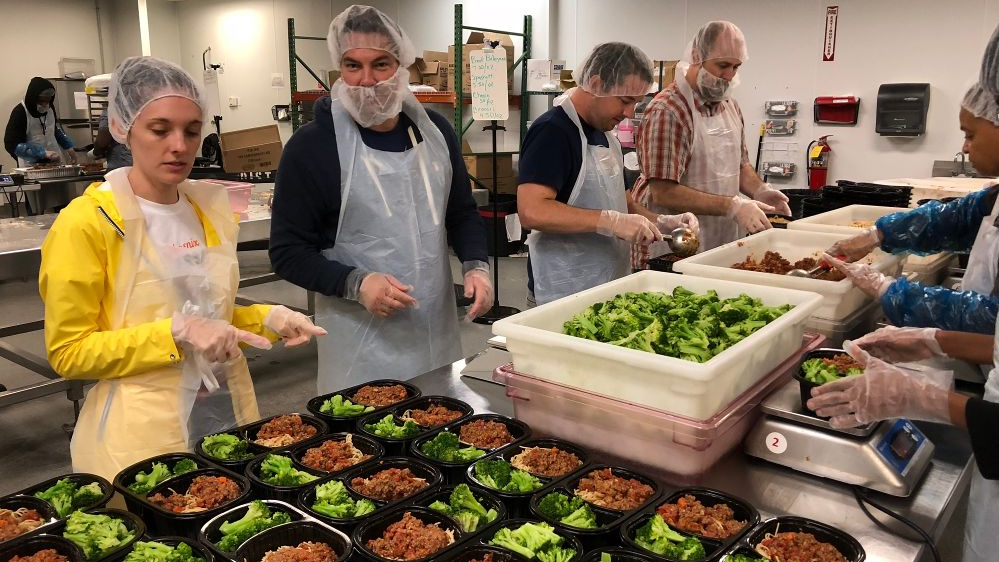
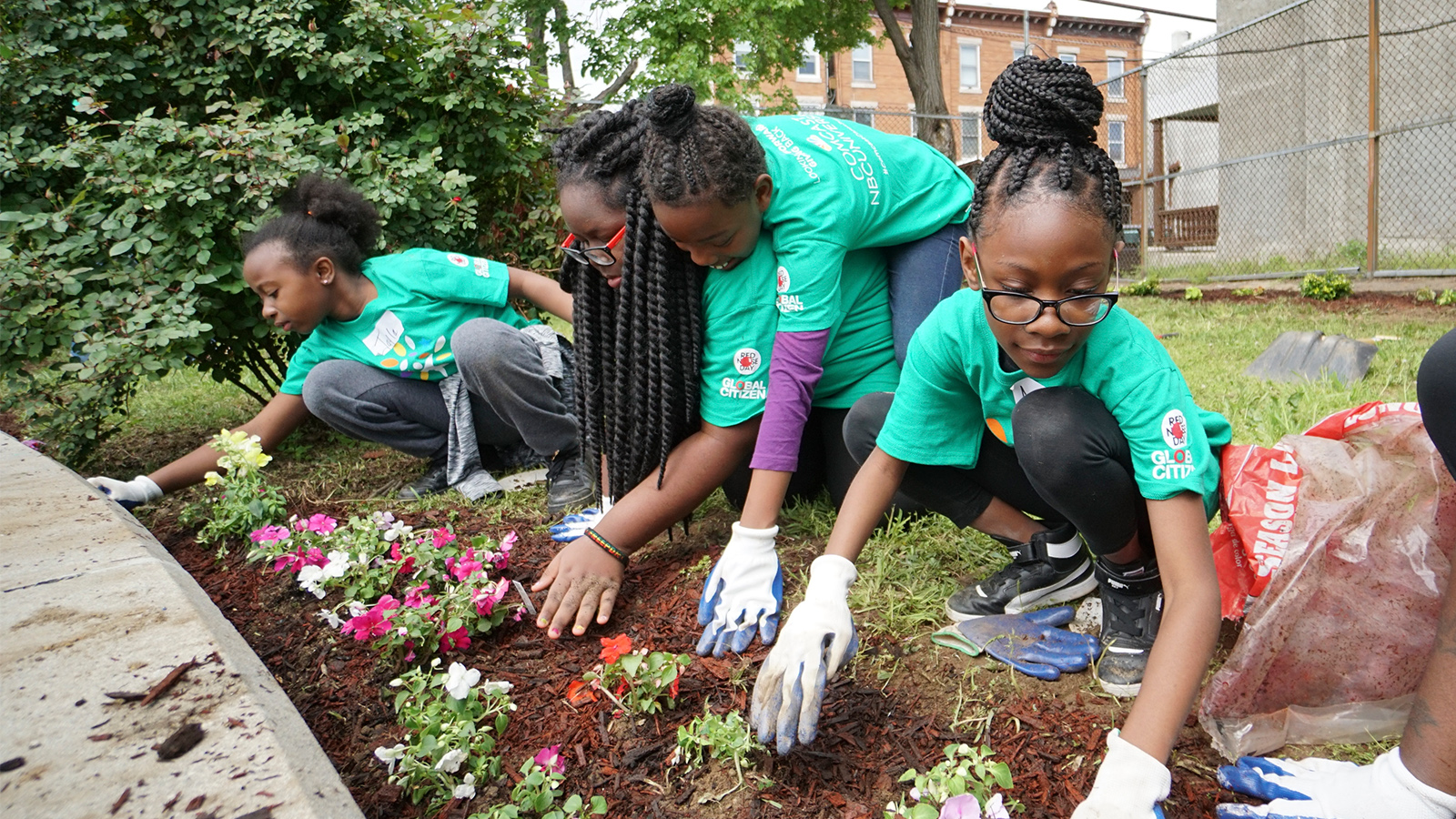
Georgia Tech is home to one of the most diverse student populations in the entire state of Georgia. Yellow Jackets come from all over the world, and our common purpose to create the future is what unites us. Just like how Georgia Tech is home to us, Atlanta is home to Georgia Tech. Members of the Atlanta community, predominantly poor African American families, suffer from the injustices of inequitable environmental protection and regulation. As Yellow Jackets, if we are to build the future, it starts with building up the community around us by seeking environmental justice.
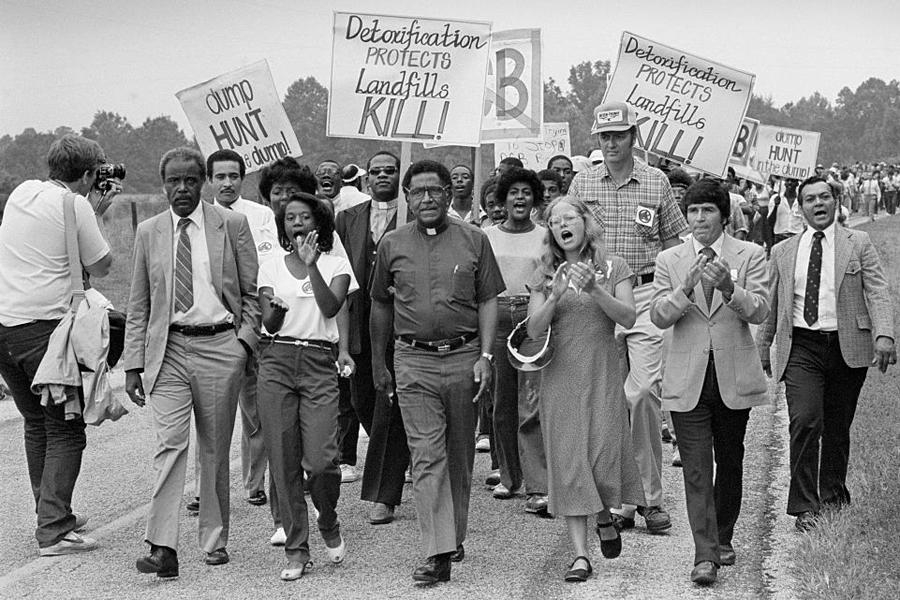
The Environmental Justice movement was born out of the Civil Rights movement when Martin Luther King, Jr. lent his aid to the Sanitation Strike of 1968. The night before MLK’s assassination, he bravely told a group of sanitation workers that “we’ve got to give ourselves to this struggle until the end.” Those fateful words would mark the beginning of a historic movement to ensure equity for all people in terms of environmental protection. The year 2018 marked the 50th anniversary of the Environmental Justice movement, and though a lifetime of progress has been made to bring about environmental justice, we must remember that there is still a lot of work left to do.
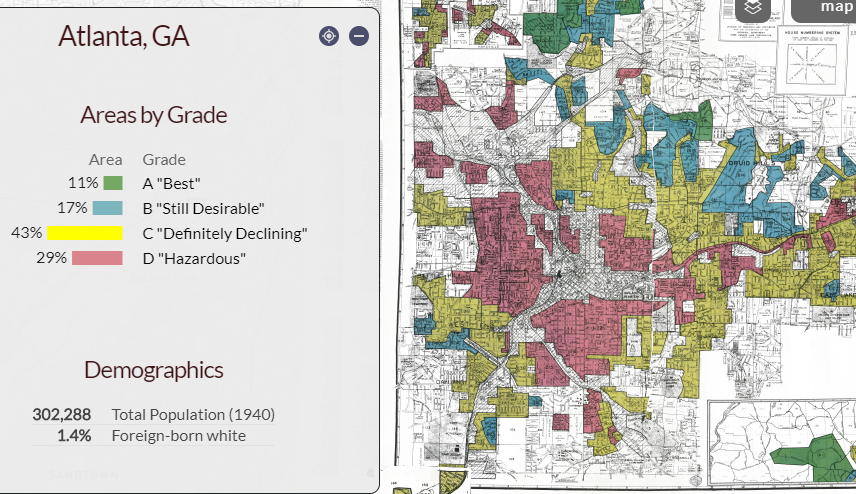
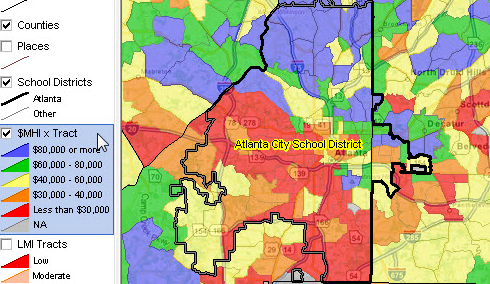
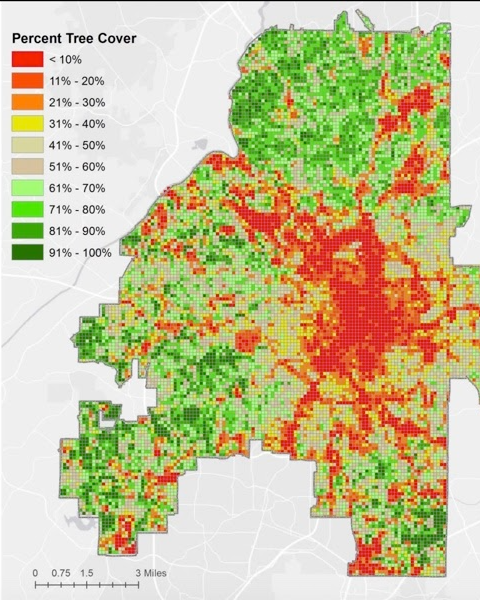
Environmental injustices in Atlanta should matter to Georgia Tech students for several reasons. Perhaps the most prominent reason is that we all live near the heart of Atlanta; whatever happens to the city, happens to us. It is important that GT students care about their immediate surroundings. Looking at the maps on this page dealing with tree cover, income, and environmental status, there is a clear correlation between these factors. The mission statement of Georgia Tech includes making a meaningful contribution to society, including our immediate surroundings. The overlap of the surrounding graphs makes it clear that certain areas of Atlanta are underserved and suffering from poor environmental conditions. Students should care because these people are suffering all around us and as students of Georgia Tech, it is our duty to do whatever we can to help those suffering.